WHY NATURAL RIGHTS MATTER

Protect Your Natural Rights. Defend Your Property. Support This Cause.

The Natural Rights Project is rooted in a simple but powerful idea: government does not create our rights. Government exists to protect rights we already possess: life, liberty, property, safety, and the unique pursuit of happiness. The citizens of the United States, and specifically those residing in Vermont, established levels of government to secure our natural, inherent, and unalienable rights.

Government Exists to Protect Rights

The proper role of government is to protect our natural rights, including the right to private property, against the behavior, interests, or overreach of other citizens, groups, institutions, or government itself.


Today, many Vermonters believe that laws such as Act 181 and Act 59 represent direct attacks on private property rights in Vermont.


The Natural Rights Project exists to promote legislative policies that support natural rights as spelled out in Vermont’s Constitution, and to oppose policies that violate them.
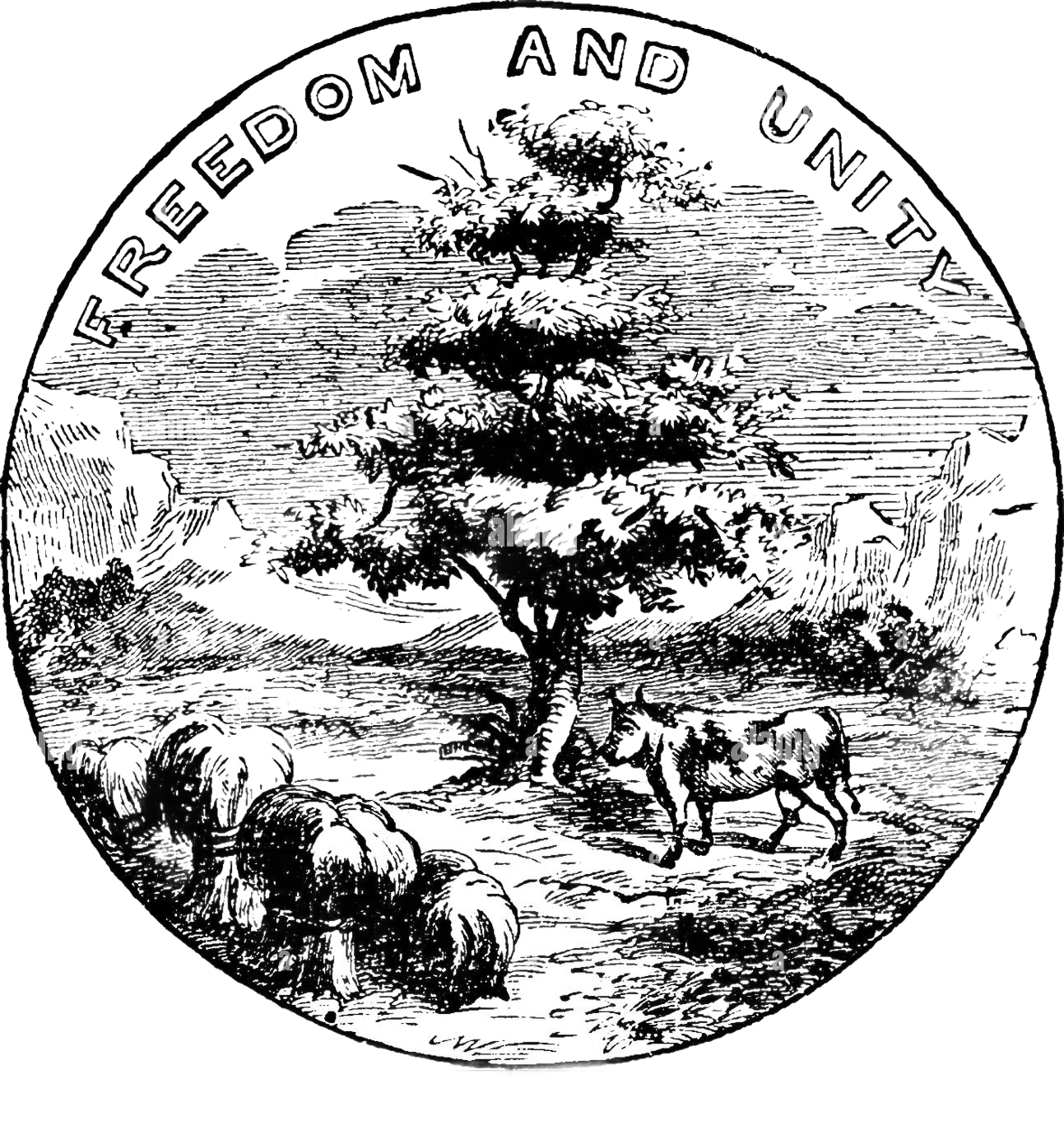

Vermont's Constitution Recognizes Natural Rights

Vermont’s Constitution is clear that natural rights are not abstract ideas or political slogans. They are the foundation blocks of our state government. These principles matter. They define the proper purpose and limits of government.


When laws, regulations, or policies violate these fundamental principles, they are destructive to the purpose of both our State and Federal governments and should be opposed, challenged, and repealed.

ARTICLE 1
NATURAL RIGHTS

All persons are born equally free and independent, with natural, inherent, and unalienable rights, including the rights to life, liberty, acquiring, possessing, and protecting property, and pursuing happiness and safety.

ARTICLE 2
PROPERTY RIGHTS

Private property may only be taken for public use when necessary and with fair compensation.

ARTICLE 4
JUSTICE

Every person is entitled to justice from their government for injuries or wrongs to person, property, or character, freely and promptly.

Why This Matters Now

The Natural Rights Project is not about nostalgia or theory. It is about whether the foundational rights recognized in Vermont’s Constitution still guide government action today.


When government controls the use, value, or purpose of private property, it affects far more than land. It can affect a person’s home, livelihood, family, independence, security, and future.


When laws interfere with property rights, parental authority, food freedom, medical choice, local self-government, or the ability to live freely and responsibly, Vermonters have a duty to question:

Is government protecting our natural rights, or violating them?

As self-governing citizens of Vermont, not subjects, we have a duty to defend the Constitution and oppose laws that violate them.
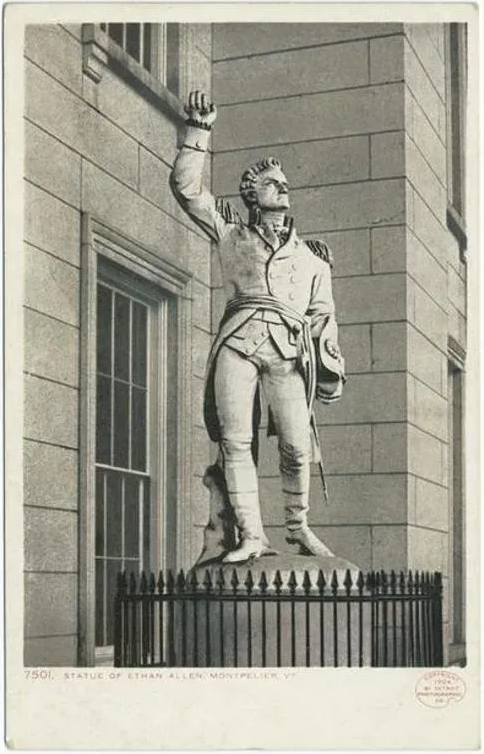
Stand for Natural Rights in Vermont

Add your name in support of restoring and defending natural rights in Vermont

Add Your Name

Read More: The Legal and Constitutional Foundation

HOW DOES VERMONT'S CONSTITUTION TREAT NATURAL RIGHTS?


Vermont’s Constitution places its Declaration of Rights at the very beginning of the document.


Article 1 recognizes that all persons are born equally free and independent, with natural, inherent, and unalienable rights. These include enjoying and defending life and liberty, acquiring, possessing, and protecting property, and pursuing and obtaining happiness and safety.


Vermont’s Constitution also makes clear that these rights are not merely symbolic. Chapter 2, Section 71 declares that the political rights and privileges of the people are part of the Constitution and should not be violated.


Natural rights are not decorative language in Vermont. They are part of the constitutional framework.

DON'T MANY LAWS CONFLICT WITH OUR NATURAL RIGHTS? WHY IS THAT ALLOWED TO HAPPEN?


Many Vermonters believe that modern laws and regulations increasingly conflict with natural rights, especially when they interfere with property, parental authority, medical choice, food freedom, religious liberty, free speech, or local self-government.


One reason is that government often treats rights as something to be balanced against broad policy goals, public programs, administrative rules, or collective interests. Over time, this can shift the focus away from protecting individual rights and toward managing society through regulation.


Another reason is that many laws are passed through ordinary political processes, not through a deep constitutional review of first principles. Legislators may ask whether a bill has enough votes or fits current policy goals, but may not always ask the more fundamental question: Does this law respect the natural rights government was created to protect?


That is why public attention matters. When citizens understand their rights, they are better equipped to recognize when government action has crossed a line and to demand that lawmakers return to constitutional principles.


Those principles must be exercised like an athlete prepares for their sport or a musician for a concert. As Vermont’s Constitution Article 18 attests, frequent recurrence to fundamental principles is necessary to preserve the blessings of liberty and keep government free.

HOW DID WE LOSE SIGHT OF NATURAL RIGHTS?


Natural rights were once central to American civic life. They were part of the language of the Declaration of Independence, early state constitutions, abolitionist arguments, and many of the debates that shaped the country.


Today, that language is much less common.

One reason is that civics education has weakened. Many people are taught the structure of government without being taught the deeper purpose of government: to secure the natural rights of the people.


Another reason is that modern politics often focuses on programs, parties, agencies, funding, and regulation. These debates matter, but the older, more fundamental question has been mostly forgotten: What are the proper limits of government power?


When natural rights are no longer taught, discussed, or defended, people can begin to see rights as permissions granted by government rather than freedoms government is obligated to protect.


The Natural Rights Project exists to help restore that understanding. Not as a partisan idea, but as a founding principle: our rights come first, and government exists to protect them.

WHY DOES PROPERTY MATTER?


Property is one of the natural rights specifically recognized in Vermont’s Constitution.


Property does not only mean land. It also includes the ability to use one’s home, labor, skills, tools, mind, hands, and pursue happiness without unreasonable interference.


When government controls the use, value, or purpose of private property, it can affect much more than land. It can affect a person’s independence, security, family, work, and future.


That is why property rights are central to the broader question of natural rights.


If government can control the use and value of your land, then every other form of property becomes vulnerable to the same treatment.

WHAT OATH DO VERMONT OFFICIALS SWEAR?


Vermont officials swear an oath or affirmation to uphold the Constitution.

That matters because Vermont’s Declaration of Rights is part of the Constitution itself. 


When elected officials take an oath to the Constitution, they are also taking an oath to respect the natural rights recognized within it.


This includes the rights to life, liberty, property, happiness, and safety.


Elected officials do not swear loyalty to political parties, agencies, lobbyists, special interests, or administrative goals. They swear to uphold the Constitution.

Q&A


  • What are natural rights?

    Natural rights are rights people possess by virtue of being human. They are not created by government. The role of government is to recognize, secure, and protect them.

  • Why does the Natural Rights Project focus so much on property?

    Property is specifically recognized in Vermont’s Constitution, and it affects more than land. Property includes the ability to use one’s home, labor, tools, skills, and resources to live freely and responsibly.

  • Is this only about Act 181 and Act 59?

    No. Those laws are examples of why this conversation matters now. The broader purpose is to evaluate all legislation through the lens of natural rights and the proper limits of government power.

  • Is this a partisan project?

    The principle is not partisan. Natural rights belong to all people, regardless of party. The question is whether laws and policies respect the rights government exists to protect.

  • Why does the Vermont Constitution matter here?

    Vermont’s Declaration of Rights appears at the beginning of the state Constitution and recognizes natural, inherent, and unalienable rights, including life, liberty, property, happiness, and safety.

  • What does it mean to "defend natural rights"?

    It means learning the principles, watching legislation carefully, asking whether government is protecting or violating those rights, and taking peaceful civic action when those rights are threatened.

  • What can I do right now?

    Add your name in support, share the page, learn more about Vermont’s constitutional principles, and stay informed about legislation that may affect property rights, parental authority, food freedom, medical choice, or local self-government.

Our final CTA goes here...TBD

Add your name in support of restoring and defending natural rights in Vermont

Add Your Name